

Choosing a new bed frame feels simple until you actually stand in a showroom comparing a solid wood frame to a sleek metal one. Price matters, style matters, but if you live in Dhaka, Chattogram, or anywhere in Bangladesh, there’s a third factor that quietly decides how long your bed will actually last: humidity. Between monsoon season, coastal moisture, and long stretches of heat, Bangladesh’s climate is tough on furniture — and beds, since they’re used every single night for years, take more punishment than almost anything else in the home.
So which holds up better, wood or metal? The honest answer is: it depends on the wood, the metal, and how well either one is finished. Here’s a practical breakdown to help you choose a bed in Bangladesh that will still look and feel solid five or ten years from now.
How Bangladesh’s Climate Affects Bed Frames
Bangladesh sits in a humid subtropical zone, with relative humidity regularly climbing above 80% during the monsoon months from June to September. That moisture in the air doesn’t just make rooms feel sticky — it interacts directly with furniture materials over time.
For wood, sustained humidity can cause swelling, warping, or joint loosening if the timber wasn’t properly kiln-dried and sealed before construction. For metal, moisture in the air combined with everyday sweat and skin contact can accelerate surface rust, especially at welded joints and screw points where protective coatings tend to wear thin first. Neither material is immune — the difference comes down to quality of construction and finish, not the material alone.
Wooden Beds: Warmth, Strength, and Long-Term Value
A well-made wooden bed, built from properly seasoned hardwood and finished with a quality lacquer or veneer, is generally the safer long-term bet in Bangladesh’s climate. Good wood is naturally more forgiving of humidity swings than people assume, provided it was dried correctly during manufacturing — this is where buying from a reputable furniture brand rather than an unbranded local carpenter really pays off, since proper kiln-drying is exactly the step that gets skipped to cut costs.
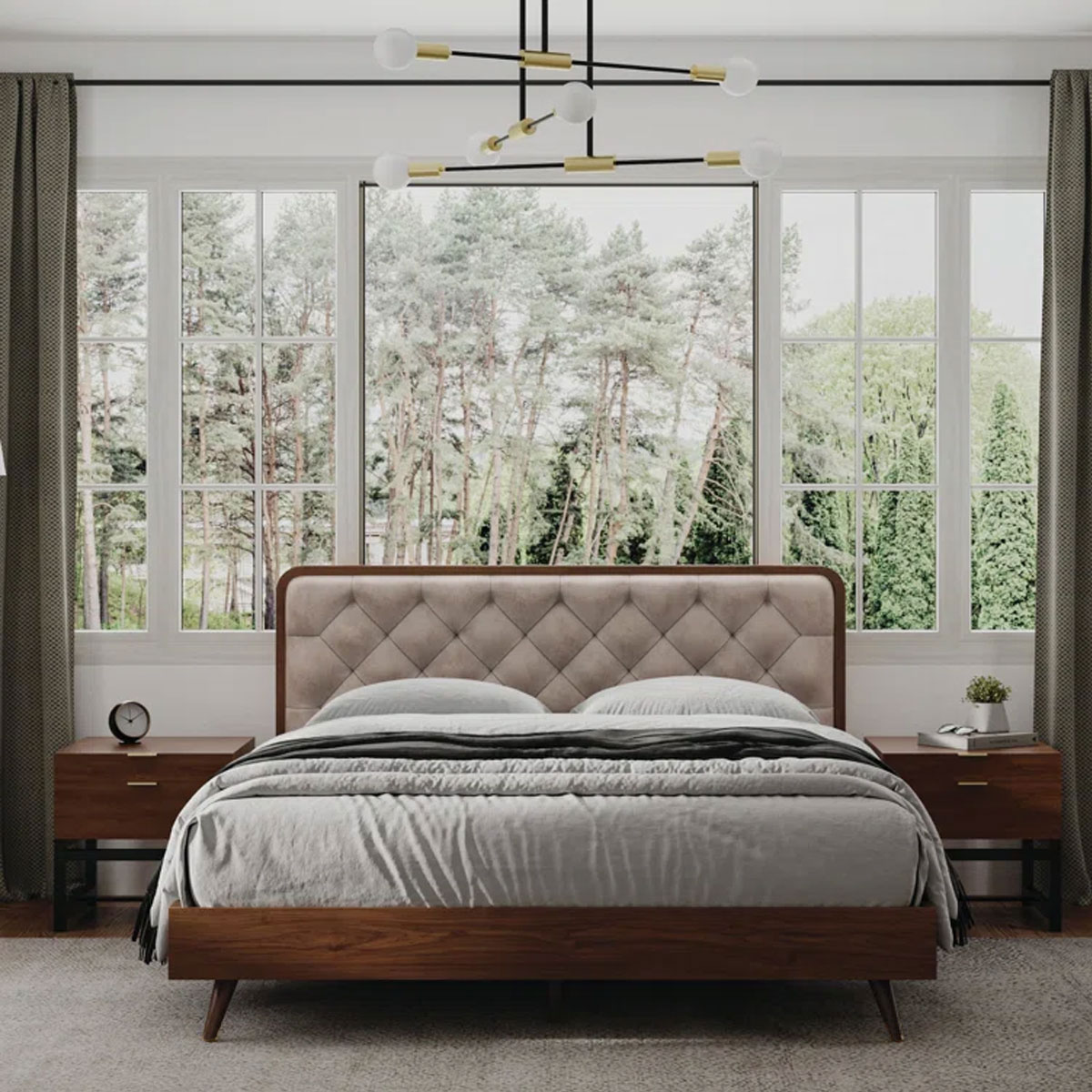
Wooden bed frames also tend to feel warmer and more premium in a bedroom, hide minor scuffs and dents better than metal, and can usually be sanded and refinished if the surface ever gets tired-looking, extending the bed’s life even further. Luxerior’s Chelsea Bed is a good example of this approach: a solid wood frame paired with a plush upholstered headboard, built to handle daily use without the frame flexing or creaking loose over time — something cheaper particleboard beds struggle with once humidity sets in.
The one thing to watch for with wooden beds is termites and fungal growth in extremely damp storage areas — but this is largely a non-issue with hardwood frames that are elevated slightly and kept in normal, ventilated bedrooms rather than damp ground-floor storage.
Metal Beds: Sleek, Strong, but Rust-Prone Over Time
Metal bed frames have their own appeal — a modern, minimal look, generally lighter weight for moving house, and strong structural support for the mattress. In dry climates, a good metal frame can genuinely outlast wood. In Bangladesh, though, metal’s biggest enemy is corrosion.
Even powder-coated steel frames can develop rust at chipped edges, weld points, or screw holes after a few humid seasons, particularly in homes near rivers, in older buildings without good ventilation, or in ground-floor flats. Once rust starts, it tends to spread along metal joints and can eventually weaken the frame’s structural integrity, not just its appearance. Cheaper metal beds with thin coatings are especially vulnerable — a detail that’s easy to miss when comparing bed price in Bangladesh across brands, since a low upfront price often means a thinner protective finish. If you do prefer a metal frame, look specifically for stainless steel or beds with a thick, factory-applied powder coat, and avoid placing them directly against exterior walls where condensation collects.
Bed Price in Bangladesh: Wood vs Metal
Metal beds are often marketed as the budget-friendly option, and entry-level metal frames can undercut wood on sticker price. But that comparison flips once you factor in lifespan. A quality wooden bed with a proper finish can realistically last 12–15 years or more with basic care, while a mid-range metal frame in a humid environment may start showing rust and structural wear within 5–7 years, sometimes sooner in poorly ventilated rooms.
When you calculate cost per year of use rather than upfront price, a well-built wooden bed — like the pieces in Luxerior’s collection — frequently works out to better value, especially since Luxerior also offers 12-month EMI plans that make a higher-quality wood-frame bed easier to fit into a monthly budget rather than a single large payment.
Which Bed Should You Choose?
If long-term durability in Bangladesh’s climate is your top priority, a solid wood bed frame is generally the smarter investment, particularly one built with kiln-dried hardwood and a proper protective finish. It handles humidity more gracefully, ages better visually, and holds up to years of nightly use without the corrosion risk metal frames carry in this climate.
Metal frames aren’t a bad choice — they just demand more upkeep: regular checks for rust spots, careful placement away from damp walls, and prompt touch-ups if the coating chips. For most Bangladeshi households, especially in humid coastal or riverside areas, wood remains the lower-maintenance, longer-lasting option.
Ready to see the difference in person? Explore Luxerior’s bed collection — including the Chelsea Bed — built with solid wood frames designed to handle Bangladesh’s climate, available with easy 12-month EMI.
Bangladesh’s humid subtropical climate is well documented — see the climate data for Bangladesh for more on monsoon humidity levels. If you’re ready to compare frames in person, browse our full bed collection to find a wooden or metal bed built for Bangladesh’s weather.